Broken Tooth? Why a Dental Crown Might Be the Best Solution

A broken tooth often means the structure is no longer strong enough to handle normal chewing pressure. In these cases, Dental Crowns in Plano, TX, are commonly used to restore strength and prevent further damage.

When a tooth cracks, the enamel no longer protects the inner layers. This increases sensitivity and the risk of a deeper fracture. A dental crown for a broken tooth covers the entire surface, helping distribute biting forces and providing long-term tooth protection.

At Tru Plano Dental, treatment planning focuses on the amount of remaining structure and whether additional tooth repair or root canal care is needed before crown placement.

What Does a Successful Root Canal Look Like?

When damage reaches the pulp, root canal treatment may be part of the overall tooth-crown treatment plan.

A successful outcome includes:

  • Relief from pain and infection
    Removal of infected tissue reduces internal pressure and discomfort.
  • Proper healing of the surrounding tissue
    Bone and gum tissue begin to heal once the infection is controlled.
  • Normal function of the treated tooth
    After crown placement, the tooth should function without pain during chewing.

Common Reasons Why a Root Canal May Fail

Even after treatment, certain factors can affect the long-term result.

  • Incomplete removal of infection
    Remaining bacteria can lead to reinfection.
  • Missed or complex root canals
    Some canals are difficult to fully detect and treat.
  • Delayed placement of the crown
    Without coverage, the tooth remains weak and prone to fracture.
  • Cracked or damaged tooth after treatment
    Structural damage can allow bacteria to re-enter.
  • New decay or reinfection
    A breakdown around the tooth can compromise the restoration.

Key Red Flags That Indicate Root Canal Failure

Recognizing early signs helps prevent further complications.

  • Persistent or recurring tooth pain
  • Sensitivity to hot or cold that doesn’t go away
  • Swelling in the gums or face
  • Tooth discoloration
  • Bad taste or odor in the mouth

These symptoms may indicate the need for further dental repair options or evaluation.

When Do Symptoms of Failure Appear?

Symptoms may appear at different stages.

  • Immediately after treatment
    Ongoing pain may indicate incomplete healing.
  • Weeks, months, or even years later
    Reinfection can occur over time.
  • Importance of ongoing monitoring
    Regular exams help detect changes early.

What to Do If You Notice These Warning Signs

Early care helps prevent more complex treatment.

  • Do not ignore symptoms
  • Contact your dentist immediately
  • Avoid chewing on the affected side

Prompt evaluation helps determine whether retreatment or cracked tooth repair is required.

How to Prevent Root Canal Failure

Protecting the tooth after treatment is essential.

  • Get a dental crown placed promptly
    A crown provides strength and long-term support.
  • Maintain excellent oral hygiene
    Reduces plaque and protects surrounding structures.
  • Avoid biting hard objects
    Prevents stress on the treated tooth.
  • Attend regular dental check-ups
    Supports long-term tooth-restoration success and ongoing restorative dentistry in Plano.

When to See Your Dentist Immediately

Some symptoms require urgent care.

  • Severe or worsening pain
  • Swelling or pus discharge
  • Difficulty chewing or biting

These signs may indicate infection or structural damage and should be evaluated by a dentist in Plano.

How Do I Know If I Need a Root Canal or Just a Filling

A cavity can often be treated with a filling, while a deeper infection inside the tooth may call for more advanced care. That is the simplest way to understand whether tooth pain may point to a tooth pain root canal or filling. Both treatments address damage caused by decay, but they are used at different stages.

The right choice depends on how far the problem has progressed. A dentist looks at your symptoms, the condition of the tooth, and X-rays before recommending care. If you have been looking into dental fillings in Plano, TX, it helps to understand what each treatment does and which symptoms should not be ignored.

What Is a Dental Filling?

A dental filling repairs a tooth damaged by a small to moderate cavity. After the decayed area is removed, the space is cleaned and sealed with filling material to restore shape and function.

A filling is usually recommended when:

  • The cavity is small
  • The damage is limited to the outer part of the tooth
  • The tooth can still be restored without treating the inner pulp

Some common signs you need a dental filling are slight sensitivity, a tiny cavity you can see, or food catching between teeth. Early treatment can stop the cavity from getting worse and help preserve more natural tooth structure.

What Is a Root Canal?

A root canal treats infection in the pulp, the inner part of the tooth that contains nerves and blood vessels.

This treatment is often needed when decay has spread deeper into the tooth, including cases of decay reaching pulp. In many cases, patients notice lingering pain, pressure, or swelling near the tooth, which may point to tooth nerve damage symptoms or early pulp infection signs. During the procedure, the dentist removes the infected tissue, carefully cleans the inside of the tooth, and seals it to preserve the natural structure.

Key Differences Between Root Canal and Filling

Severity of Decay

A filling is used for damage on the outer portion of the tooth. A root canal is recommended when the problem has moved into the inner tissue and needs more than a surface repair.

Pain Level

A small cavity may cause mild discomfort or no symptoms at all. Deeper infection is more likely when pain feels constant, throbbing, or intense, which is why dentists look closely at common severe tooth pain causes.

Treatment Process

A filling is a simpler procedure that repairs a limited area. A root canal involves cleaning the inner canals of the tooth before the tooth is sealed and restored.

Cost and Time Involved

A filling usually takes less time and costs less. A root canal is more involved and may also require a crown to protect the tooth afterward.

Signs You May Need a Filling

You may need a filling if you notice:

  • Mild sensitivity to sweets or cold foods
  • A small cavity or rough area on the tooth
  • Light discomfort that comes and goes
  • Food is getting trapped in one place

These early changes can sometimes resemble cavity vs root canal symptoms, so an exam is the best way to confirm how deep the decay goes.

Signs You May Need a Root Canal

A root canal might be recommended if you notice:

  • Strong or persistent discomfort
  • Sensitivity to hot and cold teeth that lingers after the source is removed
  • Swelling around the gumline
  • A tooth that looks darker than the teeth around it
  • Pain when biting or chewing

These symptoms may be among the more common signs you need a root canal. In more advanced cases, there may also be tooth abscess symptoms, such as swelling, drainage, or an unpleasant taste in the mouth.

Can a Filling Turn Into a Root Canal?

A filling does not turn into a root canal by itself. The issue is that untreated decay can continue to spread. If bacteria move deeper into the tooth, the inner tissue may become inflamed or infected.

That is often the stage when patients start asking when is a root canal necessary. Early care gives the dentist a better chance to treat the tooth with a simpler procedure before the damage becomes more serious.

How Dentists Decide the Right Treatment

Dentists base treatment on the full clinical picture, not on one symptom alone.

X-Rays

X-rays help show the depth of the cavity and whether the problem is close to the pulp.

Clinical Examination

The dentist checks for visible damage, cracks, swelling, and changes in how the tooth responds to pressure.

Pain Symptoms

Your symptoms also matter. Lingering sensitivity, spontaneous discomfort, or pressure when biting can suggest deeper involvement.

A dentist in Plano can confirm whether the tooth needs a simple restoration or a more involved treatment. If the inside of the tooth is affected, root canal treatment in Plano TX, may be recommended as the more appropriate option.

Treatment Process: What to Expect

Dental Filling

  1. The area is numbed if needed
  2. The decayed portion is removed
  3. The tooth is cleaned
  4. The filling material is placed and shaped
  5. The bite is checked and adjusted

Root Canal

  1. The tooth is numbed
  2. The infected pulp is removed
  3. The canals are cleaned and disinfected
  4. The inside of the tooth is sealed
  5. The tooth is restored, often with a crown

Both treatments are meant to stop further damage, reduce discomfort, and restore normal function.

Cost Comparison

A filling is usually the more conservative and lower-cost option because it repairs a smaller area of damage. A root canal generally costs more because it treats the inside of the tooth and may require additional restoration afterward. The exact recommendation depends on the condition of the tooth and the long-term support that the tooth needs.

When to See a Dentist

Do not wait for symptoms to become severe before scheduling an exam. Mild discomfort can still point to active decay, and early treatment may prevent more extensive damage.

If symptoms continue, worsen, or return, it is best to have the tooth evaluated. Prompt care helps protect the tooth and may allow for a simpler treatment plan.

Smile Makeover in Plano, TX: Top Cosmetic Dentistry Treatments That Can Transform Your Smile

A confident smile can influence how you communicate, interact with others, and feel about your appearance. When people feel comfortable with their teeth, they tend to smile more naturally and engage in conversations with greater confidence.

Many adults explore cosmetic dentistry in Plano TX to address concerns such as tooth discoloration, uneven edges, or mild alignment issues. Modern dental techniques allow dentists to improve smile appearance while preserving natural tooth structure and supporting long-term oral health.

For many patients, a smile makeover offers a way to address several cosmetic concerns at once. Working with a qualified cosmetic dentist in Plano TX helps ensure treatment decisions are based on dental health, facial balance, and personal goals. After evaluating your smile, the dentist may recommend personalized cosmetic dental treatments to enhance both function and appearance.

What Is a Smile Makeover?

A smile makeover involves a customized plan that combines several cosmetic procedures to enhance the look and symmetry of your smile. Instead of addressing only one issue, dentists evaluate the entire smile to achieve balanced and natural results.

Dentists may recommend different cosmetic dental procedures depending on a patient’s needs and oral health condition. Factors such as tooth color, spacing, alignment, and gum balance are considered when creating the treatment plan.

The goal is not only aesthetic improvement but also long-term oral health. A carefully planned smile transformation can improve bite balance, restore damaged teeth, and create a more harmonious smile.

5 Popular Cosmetic Dentistry Treatments for a Beautiful Smile

Cosmetic dentistry offers several treatment options that enhance the smile’s appearance while maintaining dental health. Dentists often recommend a combination of procedures to achieve the most natural results.

Teeth Whitening

Professional whitening is one of the most common ways to brighten teeth and refresh a smile. In-office treatments use controlled whitening solutions designed to lift discoloration from the enamel surface.

With professional teeth whitening, dentists monitor the treatment to protect enamel and reduce sensitivity. This method can effectively remove tooth stains caused by coffee, tea, tobacco use, or natural aging.

Because results often appear quickly, whitening is frequently chosen as the first step in cosmetic smile improvement.

Porcelain Veneers

Porcelain veneers are custom-made ceramic shells that attach to the front of teeth to enhance their shape, color, and overall appearance.

Dentists may recommend veneers for concerns such as stubborn stains, chipped edges, small gaps, or uneven tooth shapes. As a durable cosmetic dental restoration, veneers are designed to resemble natural enamel in both color and texture.

When carefully crafted and bonded, veneers can create a balanced smile that looks natural and proportionate.

Dental Bonding

Minor cosmetic imperfections can often be corrected with dental bonding, a minimally invasive treatment that uses tooth-colored resin.

During the procedure, the dentist applies the material to the tooth and carefully shapes it to match the surrounding enamel. The resin is then hardened with a curing light to secure the repair.

Because composite bonding usually requires little or no removal of natural enamel, it is commonly used to repair small chips, close minor gaps, or improve tooth shape while preserving healthy tooth structure.

Dental Crowns

Teeth that are weakened by decay or structural damage may require dental crowns to restore both strength and appearance.

A dental crown helps to protect the underlying structure while restoring the tooth’s shape, size, and function.

Among restorative cosmetic dental procedures, crowns play an important role because they strengthen teeth while improving the visual balance of the smile.

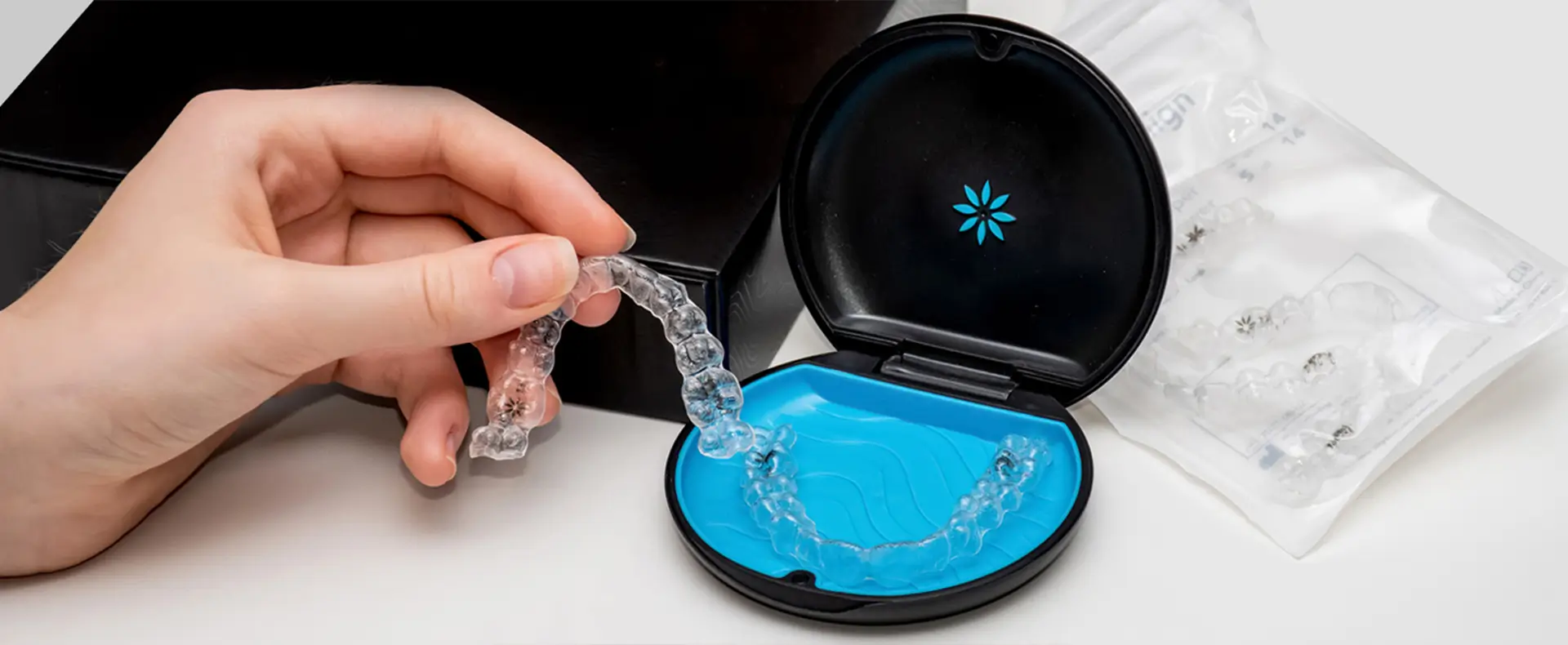
Clear Aligners

Alignment concerns can affect both dental health and smile appearance. Clear aligners provide a modern orthodontic option that gradually repositions teeth using a series of custom-made transparent trays.

These trays apply gentle pressure that helps straighten teeth over time. Because aligners are removable, patients can maintain normal brushing, flossing, and eating habits throughout treatment.

For many adults, clear aligners offer a discreet orthodontic solution that fits comfortably into daily life.

Benefits of Cosmetic Dentistry in Plano TX

Many people choose cosmetic treatment because the benefits of cosmetic dentistry include both a more attractive smile and improved oral health. When treatments are carefully planned, they can improve both smile aesthetics and dental health.

Patients often choose cosmetic procedures to improve your smile while maintaining healthy teeth and gums.

Common advantages include:

  • Boost self-confidence in social and professional settings
  • Improve smile appearance and symmetry
  • Fix dental imperfections such as chips, gaps, or discoloration
  • Achieve long-lasting results with modern materials
  • Support better oral health through improved alignment

These improvements can make daily activities such as speaking, eating, and maintaining oral hygiene easier and more comfortable.

How to Choose the Right Cosmetic Dentist in Plano, TX

Choosing a skilled cosmetic dentist in Plano TX is an important step when considering cosmetic treatment. A dentist’s experience, training, and approach to treatment planning can influence the final results.

Many patients look for providers who use modern diagnostic technology and digital imaging tools. These technologies help dentists plan treatments more precisely and explain expected outcomes more clearly.

Reviewing before-and-after photos can also help when searching for the best cosmetic dentist in Plano. These examples provide insight into the dentist’s experience with cosmetic procedures and smile design.

Transform Your Smile with Cosmetic Dentistry in Plano

Patients considering cosmetic dentistry in Plano TX often start with a consultation to discuss their goals and review possible treatment options.

During a smile makeover consultation, the dentist evaluates oral health, reviews aesthetic concerns, and explains potential treatment timelines. Some patients also ask about smile makeover cost in Plano TX, which can vary depending on the procedures included in the treatment plan.

At Tru Plano Dental, patients receive personalized guidance to understand their cosmetic dental treatments and make informed decisions about dental care.

With modern dentistry, improving a smile can be a gradual and carefully planned process that enhances both appearance and long-term oral health.

When to Schedule a Follow-Up After Veneer Placement in Plano

Once your new smile is in place, it can feel like the hard work is done. In truth, the days and months after veneer placement matter just as much as the treatment visit. Thoughtful follow-up care helps your teeth, gums, and bite adjust, and gives your dentist a chance to refine fit or shape where needed. For many adults who choose dental veneers in Plano, TX, a clear visit schedule also lowers stress because they know what comes next.

Why Follow-Up Appointments Are Important After Veneer Placement

Veneers change how your teeth meet, how you chew, and how light reflects off your smile. Follow-up visits let your dentist:

  • Check that each veneer sits flush with the tooth
  • Confirm that your bite feels even and balanced
  • Smooth small rough edges or high spots
  • Look for early signs of decay or wear near the edges

These visits protect both your veneers and your natural teeth. They also give you space to speak up about any sharp edges, pressure, or cosmetic concerns before small issues grow into bigger ones.

Immediate Follow-Up: The First Week

Most offices schedule a short visit within the first week after veneer placement. At this appointment, your dentist will:

  • Review how your bite feels when you close and chew
  • Look for areas where the veneer contacts the opposite tooth too hard
  • Check your gums around each treated tooth
  • Clean any extra bonding material near the edges

You may notice temperature sensitivity during this phase. That often fades as the nerve inside each tooth settles down. Prompt care in the first week protects the bond between the veneer and the tooth and keeps you at ease as you return to your normal routine.

Call sooner than your planned visit if:

  • Pain wakes you from sleep
  • A tooth feels tender when you bite on it
  • You see a crack, chip, or dark line at the edge of a veneer

One-Month Follow-Up

Around the one-month mark, your mouth has had time to adapt to its new shape. This visit often focuses on how your teeth function and on home care.

Your dentist will check:

  • How your bite works during different movements
  • Any wear marks on the veneers or nearby teeth
  • Your brushing and flossing technique around the new margins

This is a good time to ask about home tools such as floss threaders, water flossers, or soft interdental brushes. Your dentist may adjust one or two teeth to improve how they touch. These fine changes can reduce the risk of chips and improve comfort when you speak and chew.

Three- to Six-Month Follow-Up

Some patients benefit from an extra check between three and six months, in cases with more complex veneer work or bite changes.

During this visit, your dentist may:

  • Recheck your bite with marking paper
  • Polish the surfaces to keep them smooth and stain-resistant
  • Discuss or adjust a night guard if one was made

If you tend to grind your teeth, this visit is important. Extra force on the front teeth can shorten the life of veneers. A custom guard helps spread that force and protect delicate ceramic edges.

Annual Checkups

Once your veneers have settled in, they should fit into your routine exam and cleaning schedule. Many adults do well with visits every six months, although your dentist may suggest a different plan based on your cavity risk, gum health, or grinding habits.

At your regular exam, your dentist will:

  • Examine the edges for gaps, stains, or wear
  • Measure gum health around veneered teeth
  • Refresh polishing so surfaces stay smooth and glossy

Veneers can last many years with good care, but they are not indestructible. Regular exams help catch tiny problems while they are still simple to fix.

Signs You Should Schedule an Additional Follow-Up

Life does not always fit a planned visit schedule. Call your dentist near me for an extra check if you notice:

  • A veneer feels loose or “clicks” when you tap it
  • Sudden sensitivity to cold drinks in one tooth
  • A chip, crack, or rough edge you can feel with your tongue
  • Jaw pain, morning headaches, or sore facial muscles

These signs do not always mean something is wrong with the veneer itself, but they deserve a closer look. Fast attention can prevent damage to the porcelain and to the tooth structure underneath.

Final Thoughts

Follow-up care after veneers is not just one extra visit. It is an ongoing plan that protects your smile, supports your oral health, and gives you confidence with every bite and every photo. From the first week check to your annual exams, stay in touch with your dental team and speak up about any change you feel or see. The dentists at Tru Plano Dental can guide you through this process so your new smile remains strong, comfortable, and attractive for years to come.

How Root Canals Support Long-Term Health

A root canal protects an infected tooth from extraction and stops pain at its source. In most cases, the nerve inside the tooth has become inflamed or infected from deep decay, a crack, or past trauma. When the infection is removed and the tooth is sealed, root canal therapy in Plano, TX, preserves your natural bite and supports long-term oral health.

What Is a Root Canal and Why Is It Needed

The pulp is the soft core of a tooth. It contains nerves, tiny blood vessels, and connective tissue that support the tooth from within. Common signs include lingering sensitivity to hot or cold, pain when chewing, swelling, or a pimple-like bump on the gums.

During a root canal, your dentist numbs the tooth, removes the infected pulp, gently cleans the canals, and places a biocompatible filling. The tooth is then sealed. Most teeth also receive a custom crown afterward to restore strength and function. The goal is simple: eliminate infection, keep your natural tooth, and get you comfortable again.

The Hidden Link Between Root Canals and Overall Health

Oral infections don’t stay put. When untreated, bacteria can spread from the tooth to the surrounding bone and even enter the bloodstream. This can increase inflammation and stress your immune system. Preserving the tooth with endodontic treatment helps:

  • Reduces the risk of bacteria spreading to surrounding teeth and tissues.
  • Reduce chronic inflammation that may affect overall wellness.
  • Maintain chewing balance, which supports jaw joint health and digestion.

Keeping your own tooth also prevents a cascade of problems that can follow extraction, like shifting teeth and bite changes. Those changes can lead to jaw discomfort and make daily eating less efficient.

How Modern Dentistry Makes Root Canals Comfortable

Many patients are surprised at how routine and comfortable root canals have become. Local anesthetics, modern rotary instruments, and 3D imaging allow precise, efficient care. You can expect:

  • Numbing acts quickly and keeps you comfortable during treatment.
  • Gentle techniques to minimize post-visit soreness.
  • Rubber dam isolation to keep the tooth dry and protect your airway.
  • Antibacterial rinses and medicaments that reduce residual bacteria.

After the procedure, mild tenderness is common for a day or two and is usually relieved with over-the-counter pain medication as directed. Most people return to work the same day.

Long-Term Benefits of Preserving Your Natural Tooth

Nothing replaces the look, feel, and function of your own tooth. Long-term advantages include:

  • Natural chewing power: Your tooth continues to share the workload, protecting neighboring teeth from overuse.
  • Stable bite: Keeping the tooth prevents drifting and misalignment.
  • Bone preservation: Tooth roots stimulate the jawbone; saving the root helps maintain bone volume.
  • Cost-effectiveness: A root canal and crown often cost less than replacing a lost tooth later.
  • Aesthetics: A properly restored tooth blends with your smile and feels normal.

Of course, there are limits. Severely fractured teeth or teeth with inadequate remaining structure may not be good candidates. An evaluation of the tooth and supporting bone comes first, followed by clear treatment recommendations.

How Long Do Root Canals Last?

When protected with a proper crown and routine cleanings, a root canal can remain comfortable and functional for years, sometimes decades. Success depends on:

  • Timely crown placement: Covering the tooth soon after treatment prevents cracks and leakage.
  • Oral hygiene: Brush twice daily, floss once daily, and use fluoride toothpaste.
  • Regular checkups: Professional cleanings and exams catch small issues early.
  • Bite protection: A nightguard may be recommended if you clench or grind.

Occasionally, a tooth can need retreatment due to new decay, a missed canal, or a crack. In those cases, endodontic retreatment or a minor surgical procedure called an apicoectomy can often save the tooth. Extraction is considered only when the tooth is no longer restorable.

When to Visit a Root Canal Dentist

Schedule an exam if you notice:

  • Sensitivity that lingers more than 10–15 seconds after hot or cold.
  • Pain with chewing or pressure.
  • Gum swelling or a pimple near a tooth.
  • Darkening of a tooth after injury.
  • A tooth that feels “high” when you bite.

If you are searching for a dentist near me, look for a provider who offers same-day diagnostics, works closely with endodontists when needed, and provides clear aftercare guidance. Good communication and follow-up are key to long-term success.

Book Your Root Canal Consultation Today

If you’re experiencing tooth pain or swelling, don’t wait. An early evaluation can save your natural tooth and protect your overall health. At Tru Plano Dental, our team uses modern techniques and a calm, patient-first approach to make treatment straightforward and predictable. Call today to schedule a gentle, informative consultation and get back to eating, smiling, and living comfortably.

What to Expect During a Tooth Filling Procedure: Step-by-Step Guide

A tooth filling may sound unsettling, but it’s one of the simplest ways to protect your smile. Modern dentistry makes the process quick, comfortable, and precise. Whether you’re repairing a small cavity or preventing future decay, understanding each step brings peace of mind. Here’s what to expect when visiting your trusted dentist in Plano.

Step 1: The Dental Exam and Diagnosis

Every filling starts with a careful exam. Your dentist checks your teeth visually, then may take X-rays to see below the surface. Decay often hides in spots you can’t see or feel. Detecting it early prevents deeper damage or infection later.

During this step, your dentist explains the type of decay, the filling options, and how they’ll repair your tooth. It’s your chance to ask questions. Many patients want to know about pain, materials, or how long the filling lasts. Open discussion ensures you’re fully comfortable before the treatment begins.

Step 2: Numbing the Tooth and Removing the Decay

Once you’re ready, your dentist uses a local anesthetic to numb the area. This keeps you pain-free during the procedure. You might feel pressure or vibration, but not pain.

Next, your dentist removes the decayed part of the tooth with precision tools. This stops bacteria from spreading and prepares a clean surface for the filling. Some patients compare this stage to having a small cavity cleaned out quickly and controlled.

If you’ve delayed treatment because of fear, rest assured that modern dentistry focuses on comfort first. A trusted dentist in Plano, TX, uses advanced tools that make this step quiet, smooth, and efficient.

Step 3: Preparing the Tooth for the Filling

After the decay is gone, the dentist shapes the space to fit the filling perfectly. The area is rinsed and dried to remove debris or moisture. Moisture control is important because it ensures the filling bonds well to the enamel.

If the decay was deep and close to the nerve, your dentist might add a small liner to protect it. This thin barrier shields the nerve from heat or pressure, keeping your tooth strong and sensitive-free.

This preparation phase takes only a few minutes but makes a big difference in how long the filling lasts.

Step 4: Placing the Filling Material

Now comes the actual filling. Depending on your needs, your dentist may use composite resin, amalgam, or another safe material. Composite resin is popular for its natural look, blending perfectly with your tooth’s color.

The dentist layers and shapes the material inside the cleaned cavity. Each layer is hardened with a special light to secure it firmly in place. This step restores both the strength and appearance of your tooth so that it will function and look just like before.

If you’ve ever wondered why dental fillings are essential, here’s the answer: they stop decay from spreading and help you chew, talk, and smile without discomfort.

Step 5: Shaping and Polishing

Once the filling is in place, your dentist shapes it to match your bite. You’ll gently bite down on paper that marks high spots, and the dentist will adjust as needed. This ensures your teeth meet evenly and comfortably when you chew.

After shaping, the surface is polished. This not only makes the tooth look smooth but also prevents staining and plaque buildup around the new filling.

The result? A natural feel, a balanced bite, and a clean finish that restores confidence when you smile.

What to Expect Immediately After the Procedure

When your appointment ends, your mouth might still feel numb for a short while. Avoid eating until the numbness fades to prevent accidentally biting your cheek or tongue.

Mild sensitivity to cold or heat is common for a few days. This happens as the tooth adjusts to the new filling. You can brush (2 times) and floss (1 time) as normal, but do so gently around the treated area.

If you notice sharp pain, uneven bite pressure, or sensitivity that lasts more than a week, call your dentist. Most adjustments are quick and easy.

Here are a few quick recovery tips:

  • Stay away from sticky or hard food items for the first 24 hours.
  • Rinse with warm salt water if the gum feels tender.
  • Keep up regular brushing and flossing to protect your filling.
  • Schedule regular checkups to catch early signs of wear or damage.

Final Thoughts

Protecting your smile starts with timely care and a trusted dental team. At Tru Plano Dental, every patient receives gentle, expert treatment designed to restore comfort and confidence. Don’t wait for pain to start. Schedule your visit with a leading dentist in Plano today. A simple filling now can save your natural tooth for years to come.

Why Choose Root Canal Therapy Over Extraction in Plano?

Tooth pain can be overwhelming, and when you hear you need treatment, two common options are presented: a root canal or an extraction. Both solve the problem, but in very different ways. Many patients searching for a dentist near me wonder which choice is better for their health and smile. In maximum cases, root canal therapy is the more conservative and beneficial approach.

Saving Your Natural Tooth vs. Losing It

A major advantage of root canal therapy in Plano is that it saves your natural tooth. Instead of pulling it out, the dentist removes the infected pulp inside, cleans the area, and seals the tooth.

Why saving your natural tooth matters:

  • Maintains natural chewing ability
  • Keeps your bite alignment intact
  • Prevents nearby teeth from shifting
  • Preserves jawbone health

With extraction, you lose the tooth entirely, which can lead to long-term complications if not replaced.

Pain & Recovery: Root Canal vs. Extraction

One of the biggest fears patients have is pain. The truth may surprise you.

Root Canal Therapy

  • Done under local anesthesia
  • Pain feels similar to getting a filling
  • Most patients return to normal activities the next day

Extraction

  • Also performed under anesthesia
  • Involves more surgical trauma to bone and gums
  • Recovery takes several days, sometimes longer

While both procedures can cause mild discomfort, root canals usually mean a smoother, quicker recovery.

Cost Comparison: Short-Term vs. Long-Term

At first glance, extraction may seem less expensive. But consider the long-term picture.

  • Extraction costs less upfront but creates a gap that usually requires a dental implant, bridge, or denture. These add significant expenses.
  • Root canal therapy costs more initially but avoids the need for replacement if the tooth is restored successfully with a crown.

In the long run, keeping your natural tooth often saves both money and time.

Aesthetic & Functional Benefits

Beyond cost and recovery, there are clear advantages to keeping your tooth.

Benefits of Root Canal Therapy:

  • Natural-looking results when paired with a crown
  • Stronger bite compared to dentures or partials
  • Confidence in your smile
  • Maintains speech clarity

Drawbacks of Extraction Without Replacement:

  • Visible gap that affects appearance
  • Neighboring teeth shifting
  • Bite problems and uneven wear
  • Risk of jawbone shrinking over time

Saving your tooth not only protects function but also preserves your natural smile.

When Extraction Might Still Be the Better Choice

While root canals are often preferred, there are times when extraction makes more sense:

  • Severe decay or damage that leaves little healthy tooth structure
  • Advanced periodontal (gum) disease
  • A tooth that can’t be restored with a crown
  • Financial limitations where replacement options are considered later

Your dentist will guide you honestly, explaining when extraction is the healthier or more practical option.

Quick Comparison: Root Canal vs. Extraction

Root Canal Therapy

  • Saves your natural tooth
  • Faster recovery
  • Higher upfront cost, lower long-term cost
  • Protects bite and jawbone health

Extraction

  • Lower upfront cost
  • Requires replacement (implant, bridge, denture)
  • Longer recovery
  • Can affect aesthetics and function

When Should You See an Emergency Dentist?

Life has a way of throwing curveballs—and sometimes, those curveballs hit your teeth. Whether it’s a sharp pain in the middle of the night or a broken crown during lunch, knowing when to call an emergency dentist can make all the difference.

Here’s a simple truth: not every dental issue can wait for a regular appointment. Sometimes, your smile needs immediate help—and fast. At Tru Plano Dental, we believe that knowing the indications of a dental emergency can save you time, pain, and possibly even your tooth.

Let’s break down why emergency dental care matters, how to recognize it, and what you should do next.

Why Do You Need an Emergency Dentist?

Dental emergencies aren’t just inconvenient—they can be dangerous if ignored. While some issues may seem minor at first, they often escalate quickly, leading to infection, increased pain, or permanent damage.

Think of an emergency dentist as your dental first responder. Their goal? To stop pain, prevent further complications, and help you feel like yourself again.

Here’s why having access to an emergency dentist matters:

  • Rapid Pain Relief: Toothaches can be unbearable. An emergency visit brings quick relief.
  • Preventing Infection: Oral infections can spread fast. Immediate care can stop it in its tracks.
  • Saving Teeth: Quick action can sometimes mean the difference between saving or losing a tooth.
  • Peace of Mind: Just knowing you have a plan when things go wrong can be a huge relief.

Emergencies are stressful. Your dental care shouldn’t be.

Common Signs and Symptoms

How do you know if you’re dealing with a real dental emergency? Here’s a list of common signs that should never be ignored. If any of these hit home, it’s time to call a dentist near you:

  1. Severe Toothache

A dull ache is one thing. But if the pain is sharp, throbbing, or doesn’t go away—especially if it’s waking you up at night—it needs attention.

  1. Swollen Jaw or Face

Swelling usually means there’s an infection. And that can get serious fast, even leading to complications beyond your mouth.

  1. Knocked-Out Tooth

Time is crucial here. If you act quickly (within 30-60 minutes), a dentist might be able to save your tooth.

  1. Broken or Cracked Teeth

A crack can expose nerves and lead to infection. Even if it doesn’t hurt now, it will later.

  1. Bleeding That Won’t Stop

Minor bleeding after flossing is common. But if your gums or mouth won’t stop bleeding, that’s an emergency.

  1. Loose Crowns or Fillings

A lost crown might seem cosmetic, but it leaves the tooth vulnerable to damage. If it’s a front tooth, you might also want to reach out to a dental office offering cosmetic dentistry in Plano.

  1. Signs of Abscess

This is a pocket of pus that is a result of an infection. Symptoms include:

  • Fever
  • Foul taste in the mouth
  • Swelling
  • Pain when chewing

This is serious and needs fast treatment.

Why You Should See a Dentist Soon

Even if the pain fades or swelling goes down, don’t ignore it. Dental problems rarely go away on their own. What starts small can become a bigger, more expensive, and more painful issue.

Here’s what can happen if you delay care:

  • Tooth Loss: Minor chips can lead to decay, which can lead to extraction.
  • Spread of Infection: Oral infections can spread to your bloodstream, becoming life-threatening.
  • Costlier Treatment: Waiting too long could mean a root canal instead of a simple filling—or worse, surgery.
  • Chronic Pain: Dental pain doesn’t just affect your mouth. It can disrupt sleep, focus, and quality of life.

Seeing a dentist quickly means getting ahead of the problem. It’s not just about fixing teeth—it’s about protecting your overall health.

What You Can Do Before You Get to the Dentist

While waiting for your emergency appointment, here’s how to care for your teeth in the meantime:

  • For toothaches: Clean with warm salt water and apply a cold compress to reduce swelling.
  • For knocked-out teeth: Place the tooth in a containeror a box of milk and bring it with you. Don’t scrub it!
  • For broken teeth: Rinse your mouth and save any broken pieces. Avoid chewing on that side.
  • For bleeding: Apply pressure with a clean gauze or cloth.

And above all—stay calm. Help is on the way.

Conclusion

Dental emergencies are scary, but you don’t have to face them alone. Knowing the signs, acting fast, and choosing the right dental provider can create all the difference.

If you’re dealing with sudden pain, bleeding, or trauma, don’t wait and hope it’ll get better. Contact a trusted provider offering emergency dentistry in Plano, TX, right away. The right care, at the right time, can save your smile.

At Tru Plano Dental, we’re here when you need us most. Whether you’ve chipped a tooth or can’t sleep from pain, our team is ready to help. Your health and comfort are our top priority.

How Long Does It Take to Heal After a Dental Implant?

If you’ve ever lost a tooth, you know how much it can shake your confidence. Smiling becomes a conscious effort, chewing feels awkward, and talking can feel a bit off. That’s where dental implants come in—they’re like second chances for your smile.

A dental implant is a tiny titanium device or post placed in your jawbone to reinstate the root of a missing tooth. Once it heals, a crown is attached to it, restoring both the look and function of your tooth. It’s strong, natural-looking, and with proper care, it can last a lifetime.

Why You Need Dental Implants

Tooth loss isn’t just a cosmetic concern—it can snowball into bigger issues if left untreated. Here’s why getting dental implants is a smart, proactive move:

  • Bone loss prevention: After you lose a tooth, your jawbone begins to shrink. Implants promote the bone, just like a natural tooth root.
  • Improved bite strength: You can enjoy steak, crunchy apples, and nuts without fear of pain or slipping dentures.
  • Aesthetic upgrade: They look so natural that most people won’t be able to tell it’s not your original tooth.
  • Speech improvement: Missing teeth or loose dentures can mess with your pronunciation. Implants offer stability so your words come out crystal clear.
  • Confidence boost: Say goodbye to hiding your smile. Say hello to selfies.

Maybe you’ve been Googling for a dentist near you who can guide you through the process. You’re not alone—many people are unsure if they’re ready for implants, and it’s completely normal to have questions.

Healing Process After Getting Dental Implants

So, back to the big question: how long does it take to heal after getting a dental implant? Healing happens in stages, and your personal health, habits, and how your body reacts to the implant all play roles. Let’s break it down.

  1. The First 24–72 Hours: The “Take It Easy” Phase

Right after the surgery, you’ll be sore. Your face may be swollen, and a little bleeding is expected.

  • Stick to soft foods (think mashed potatoes, soup, smoothies).
  • Ice your cheek in 15-minute intervals to reduce swelling.
  • Avoid rinsing or spitting for 24 hours.
  • Don’t smoke—it messes with healing and can lead to failure.

Pro tip: Sleep with your head elevated the first couple of nights.

  1. Week 1–2: Initial Healing and Tissue Recovery

By the end of week one, you’ll notice the swelling and pain have mostly gone down.

  • Your gums will start sealing around the implant.
  • Any stitches (if not dissolvable) may be removed during this time.
  • Keep brushing gently and avoid the implant area.
  • Resume normal eating with some caution—chew on the opposite side.

It’s essential during this stage to stay in touch with your implant provider. Many people from the area search for dental implants in Plano, TX, to find professionals with experience in making this stage smoother. Choose someone who offers clear post-op guidance and is available for check-ins.

  1. Week 3–6: Osseointegration Begins

This is where the magic happens. The titanium post starts bonding with your jawbone in a process called osseointegration. Think of it like the implant “becoming one” with your bone.

You may feel:

  • No pain—but maybe a little sensitivity or pressure.
  • Itching as tissues heal (this is normal).
  • Slight tightness around the site, which fades with time.

There’s not much to do during this phase, but wait and continue maintaining oral hygiene. Keep brushing, flossing (carefully), and avoiding hard or sticky foods.

  1. Month 3–6: Full Integration and Final Restoration

This is when things start to wrap up. By now, your jawbone has fully accepted the implant. Your dentist will check its stability and, if everything looks good, place the abutment and the crown.

  • The final crown will go along with the color of your surrounding teeth.
  • The result will feel and function just like a real tooth.
  • You’ll be able to eat what you want, speak with confidence, and smile freely.

The wait may feel long, but it’s worth every minute when you finally see your full, healthy smile in the mirror again.

Factors That Affect Healing Time

Healing isn’t a one-size-fits-all timeline. Several things can speed it up—or slow it down.

Here’s what matters:

  • Your overall health – Diabetes, autoimmune disorders, or medications can affect healing.
  • Bone quality – A strong jawbone helps the implant fuse faster.
  • Smoking – Big no. Smoking brings down the blood flow and increases infection risk.
  • Oral hygiene – Keep it clean, or healing will take longer.
  • Surgical technique – Choosing an experienced provider makes a huge difference.

Some people heal in 3 months. Others take closer to 6. A few may need bone grafts beforehand, which adds more time. But don’t worry—your dentist will map it all out for you.

Conclusion

Healing after dental implants isn’t just about waiting—it’s about knowing what’s normal, what to expect, and who you can trust during the journey. The full process can differs, taking anywhere from 3 to 6 months, relying on your body and how well you follow post-op care.

If you’re considering cosmetic dentistry in Plano, let a practice like Tru Plano Dental help guide you through it all. Their team knows how personal this process can feel. And when you’re in good hands, healing feels a little easier.

What to Expect During an Emergency Dental Visit

When a sudden toothache or dental injury strikes, it may throw your whole day into chaos. The good news? You’re not alone, and immediate help is available. At Tru Plano Dental, we’re here to make your emergency dental visit as smooth and stress-free as possible.

Let’s break down exactly what happens during an emergency dental appointment—so you know what to expect and how to prepare.

Typical Procedures and Exams

Your emergency visit begins with one goal: find the cause of the problem and fix it fast.

Here’s what usually happens during the first few minutes:

  • Brief intake and paperwork – If it’s your first time, you’ll fill out basic health info and a short description of your dental emergency.
  • Quick consultation – The dentist will ask when the issue started, where the pain is, and how severe it feels.
  • X-rays and diagnostic tools – X-rays help the dentist see what’s happening beneath the surface—things like infections, cracks, or hidden decay.
  • Oral exam – You’ll get a close-up examination of the affected tooth and surrounding gums to confirm the diagnosis.

Once the problem is identified, the dentist walks you through the best course of action.

Pain Management Options

We know pain can’t wait. Managing your discomfort is always a priority.

Here are a few pain-relief options you might receive during your visit:

  • Numbing agents – A local anesthetic (like lidocaine) numbs the area quickly for instant relief.
  • Prescription meds – Antibiotics or pain relievers may be prescribed to tackle infection or ease swelling.
  • Temporary fixes – In some cases, your dentist will stabilize the issue temporarily, so you’re not in pain while waiting for a more permanent procedure.

Pro Tip: If you’re sensitive to anesthesia or have any medical allergies, let your provider know right away.

How Long Will the Appointment Take?

Most emergency dental visits last anywhere from 30 minutes to an hour. It depends on the severity of the issue and whether a temporary or permanent solution is needed.

Time estimates based on type of emergency:

  • Minor toothache – 30 minutes for diagnosis and pain relief
  • Broken tooth or lost filling – 45 minutes for temp restoration
  • Abscess or infection – 60 minutes for drainage, medication, and relief

If a second appointment is necessary (for a crown, root canal, or full extraction), your dentist will help schedule that right away.

What Issues Qualify as a Dental Emergency?

If you’re unsure whether your issue is urgent, these signs usually mean you need immediate attention:

  • Sudden and severe tooth pain
  • Swelling in the face or jaw
  • Knocked-out or broken tooth
  • Bleeding that won’t stop
  • Signs of infection (bad taste, pus, fever)

If you’re Googling “dentist near me” at midnight, you probably need emergency care. Don’t wait—quick treatment prevents the problem from getting worse.

How to Prepare for Your Emergency Appointment

While emergencies are never expected, here’s how you can make your visit easier:

  • Bring a list of medications and identified allergies
  • Write down symptoms (how long, what triggers them, etc.)
  • Arrive 10 minutes early for paperwork
  • Bring insurance info or payment method

And if you’re nervous? You’re not alone. The team will walk you through everything at your own pace.

Common Emergency Treatments You Might Receive

Depending on your situation, here are some fast treatments that may be done during your emergency dental visit:

  • Temporary or permanent filling
  • Crown placement or repair
  • Tooth extraction
  • Root canal initiation
  • Abscess drainage
  • Bite adjustment to relieve jaw tension

No two emergencies are the same, but the goal is: stop the pain, protect the tooth, and prevent future issues.

Why Tru Plano Dental Is the Right Choice

At Tru Plano Dental, we prioritize quick and compassionate emergency care. Our state-of-the-art technology means faster diagnoses and more precise treatment. But what really sets us apart is how we treat our patients—like family.

Whether it’s your first visit or your fifth, your comfort and peace of mind always come first.

Final Thoughts

Dental emergencies never wait, and neither should you. Getting prompt care not only relieves pain—it can save your tooth.

If you’re dealing with a sudden toothache, trauma, or swelling, and searching for a dentist in Plano, don’t hesitate. At Tru Plano Dental, help is just a phone call away.

Bonus Tip: Prevention is the best cure. Keep up with routine checkups and cleanings so small problems don’t turn into big ones.

Book Now
Click to listen highlighted text!